
Independent guide · every fact sourced
Imperial Palace Tokyo
Walk the free East Gardens, book a guided tour of the palace grounds and plan your visit with real hours, entry rules and directions.

- Independent guide, not the official site
- Every fact linked to its source
- 24 guides, updated 19 Nov 2026
- Live weather, maps and routes
Popular tickets

Sold by authorised partners. Prices checked 20 Nov 2026; they can change.
Yes, the Imperial Palace's East Gardens are free to enter most days, but the Emperor's inner grounds stay closed to drop-in visitors. You can walk into the 210,000 square meter gardens without a ticket, while seeing the working palace itself takes a reserved tour or one of two public days a year.
Imperial Palace Tokyo in numbers
Source:Japan Travel (Japan National Tourism Organization) and Wikipedia“Kokyo Higashi Gyoen extends over 210,000 square meters”
Japan Travel (Japan National Tourism Organization), 2026 · source
Where the Imperial Palace is, and how to get there
Open in Google MapsImperial Palace Tokyo is the Emperor of Japan’s residence and workplace, built on the grounds of the old Edo Castle in the heart of Chiyoda ward. This guide covers what you can actually walk into, when it’s open, how to get there, and whether the free East Gardens are worth your time.
Can you just walk into the Imperial Palace in Tokyo?
Yes for the East Gardens, no for the inner grounds. The gardens welcome walk-in visitors most days with no ticket, while the Emperor’s working palace stays closed except for a reserved guided tour or two public days a year.
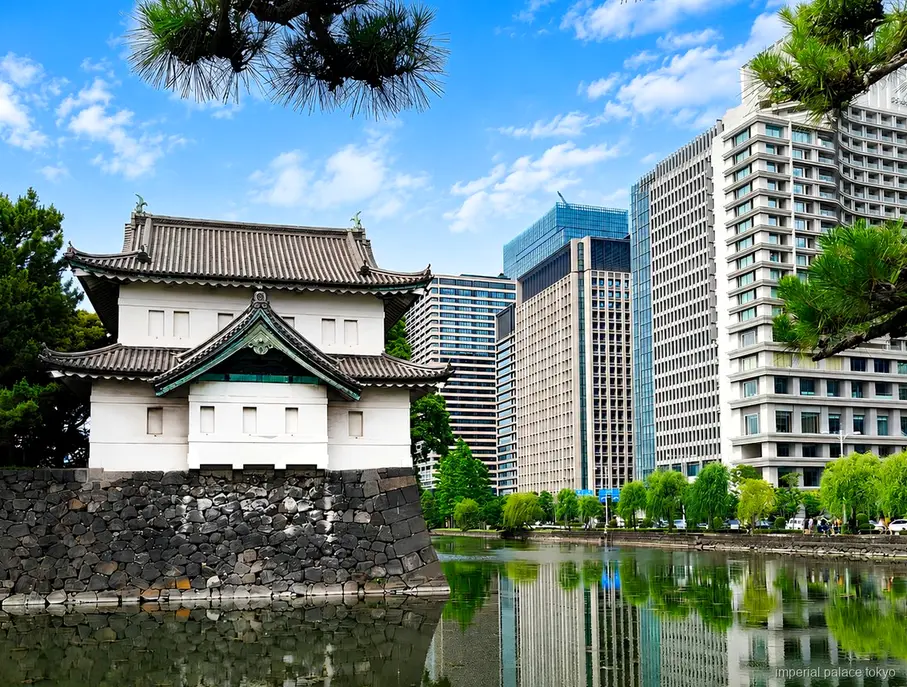
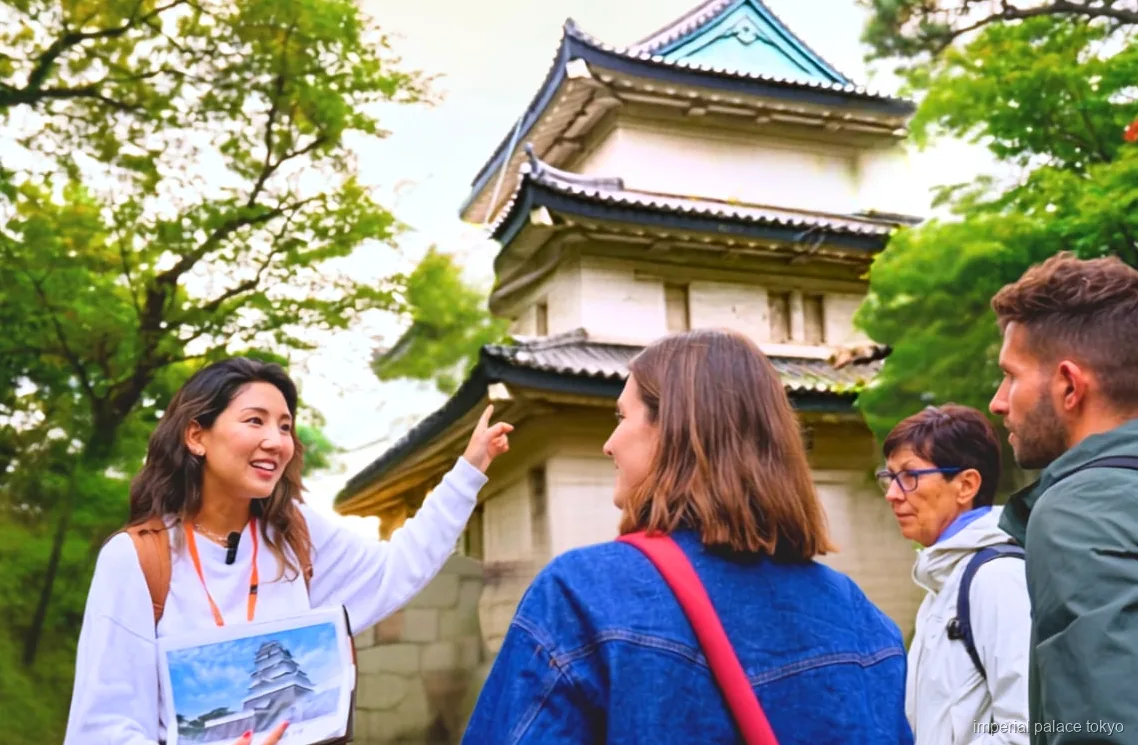
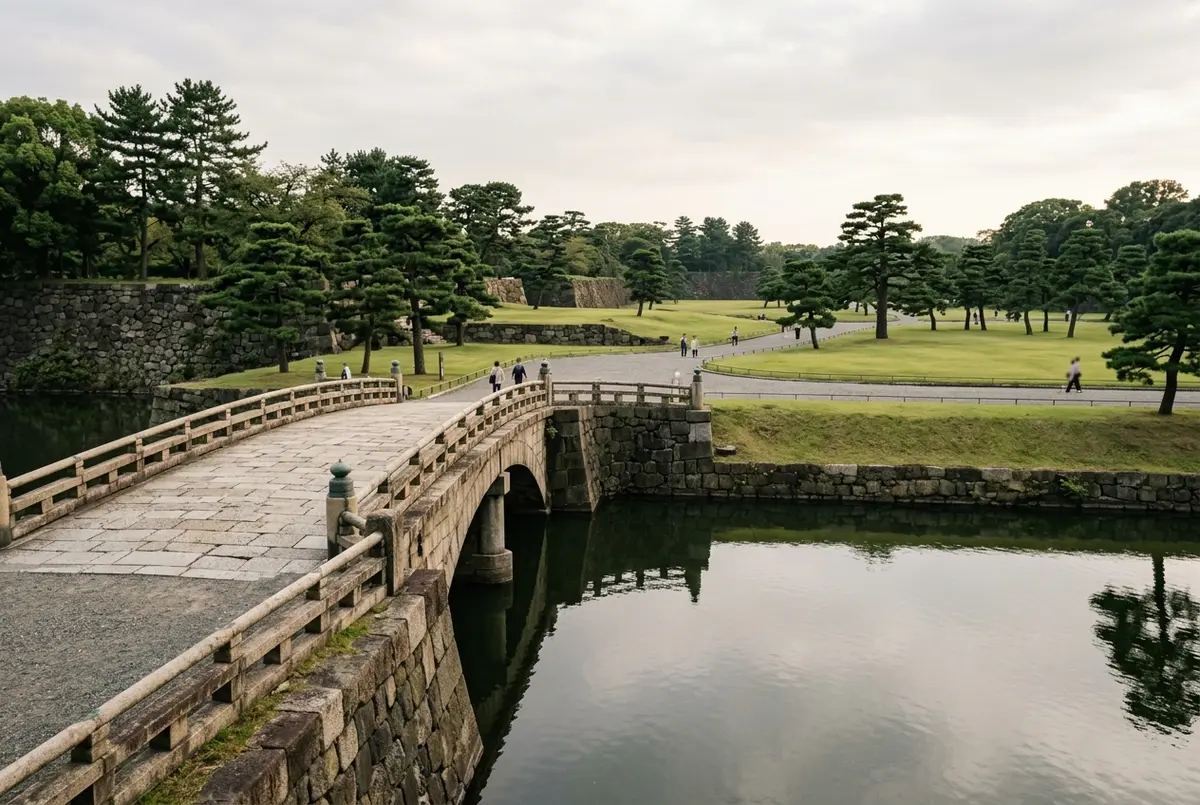
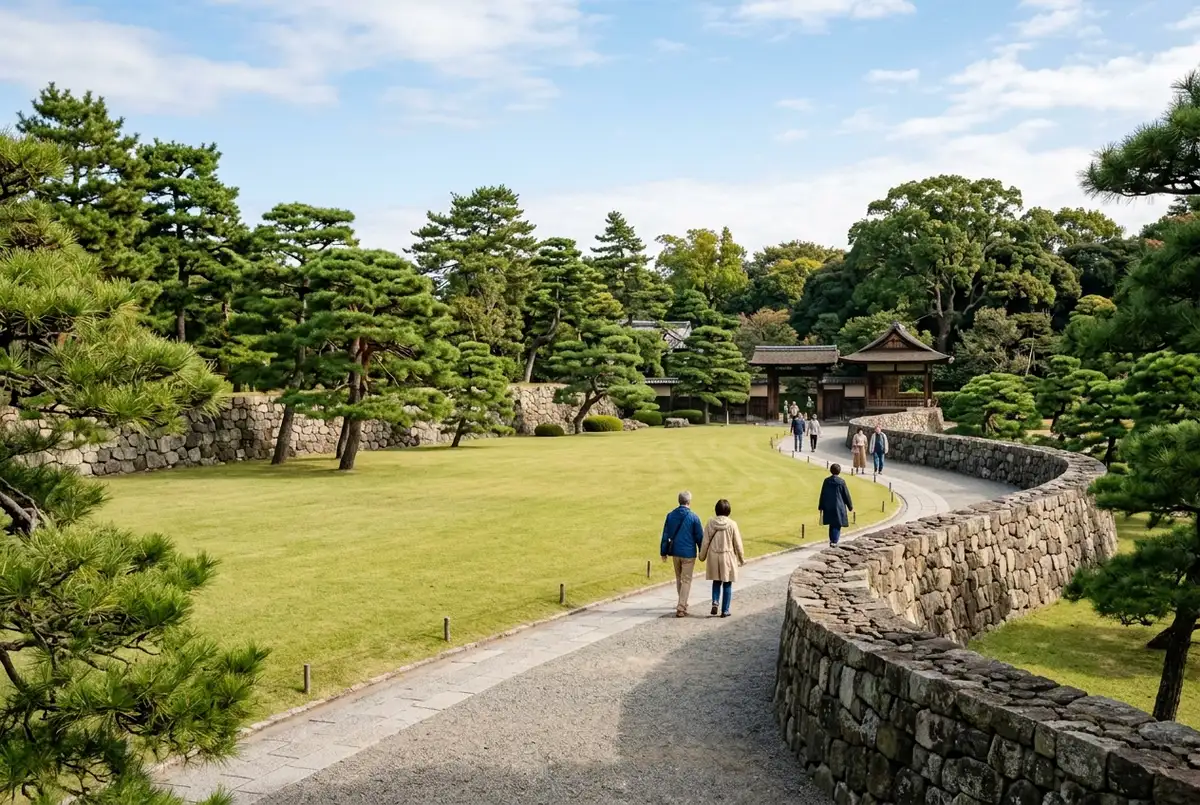
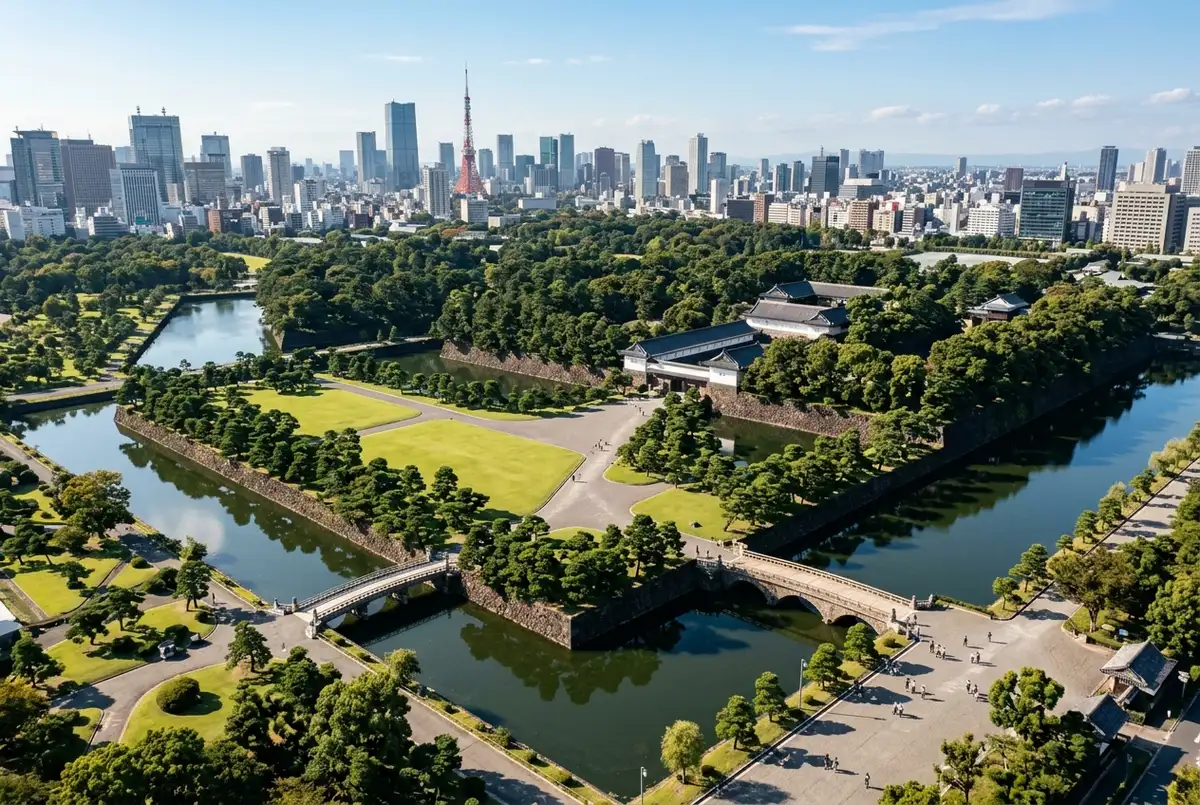
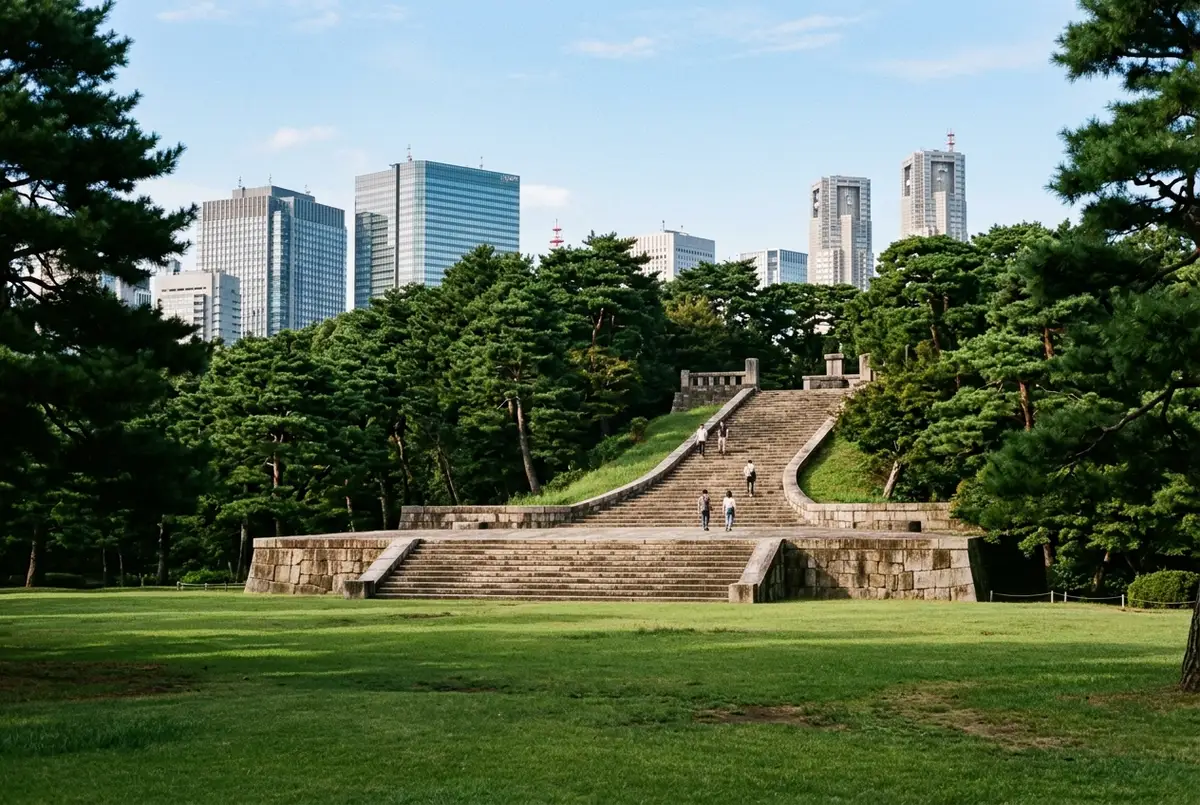
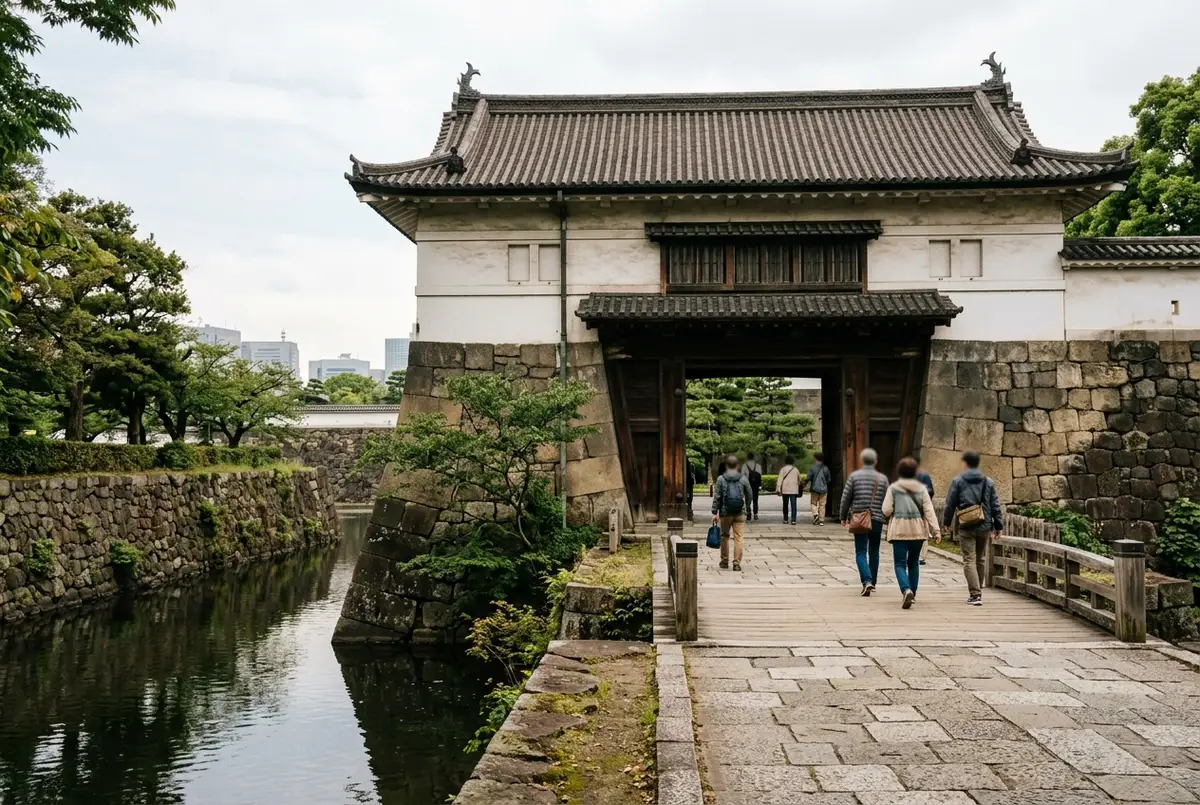
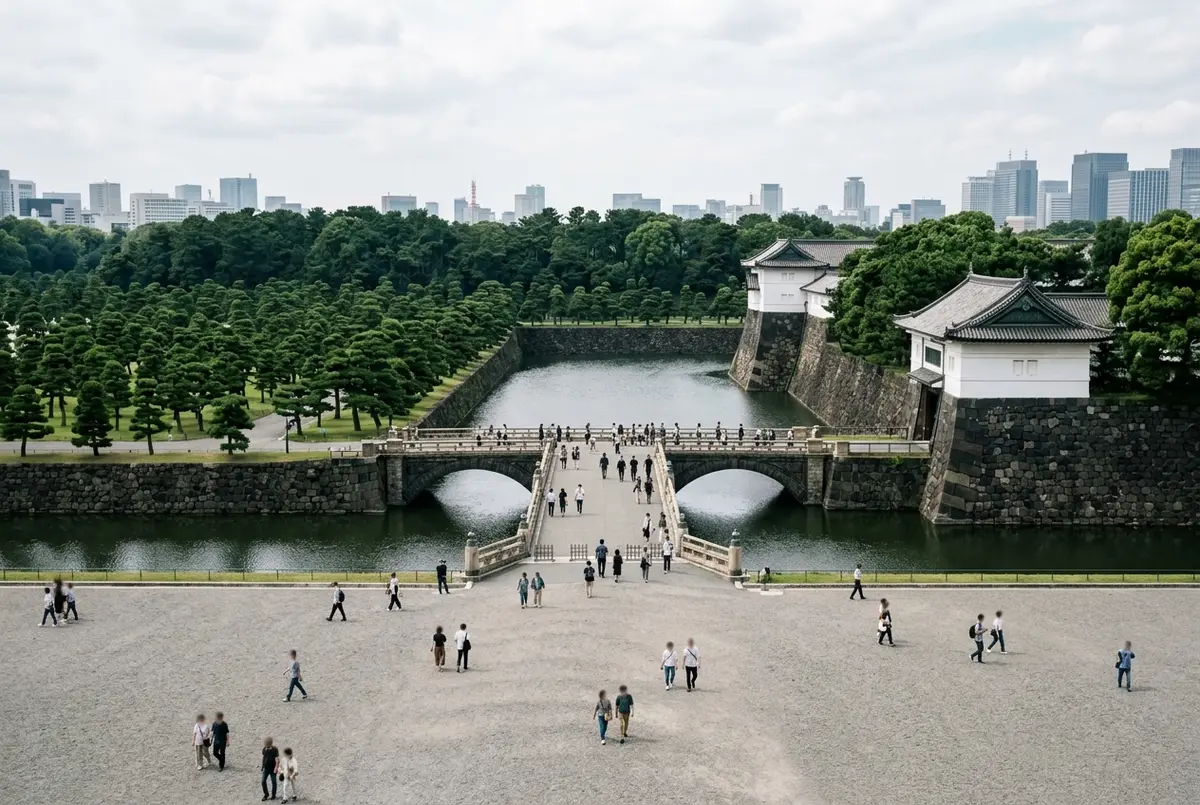
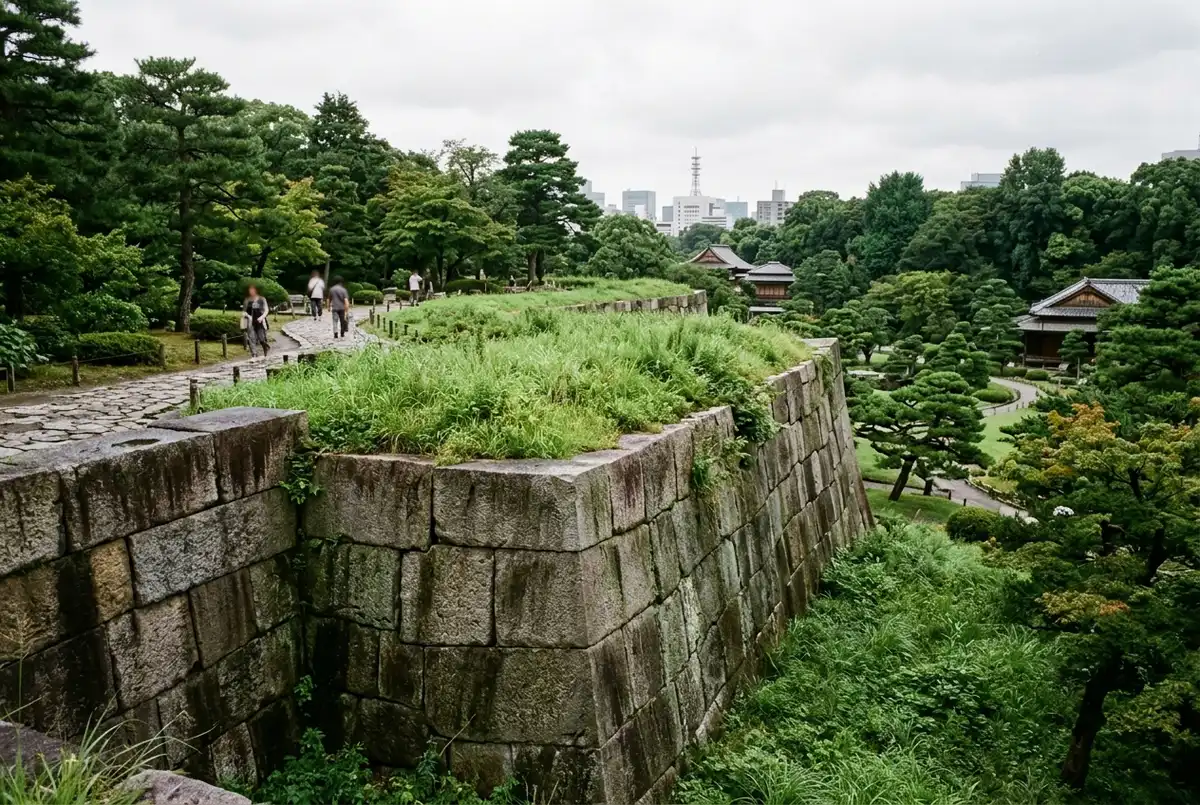
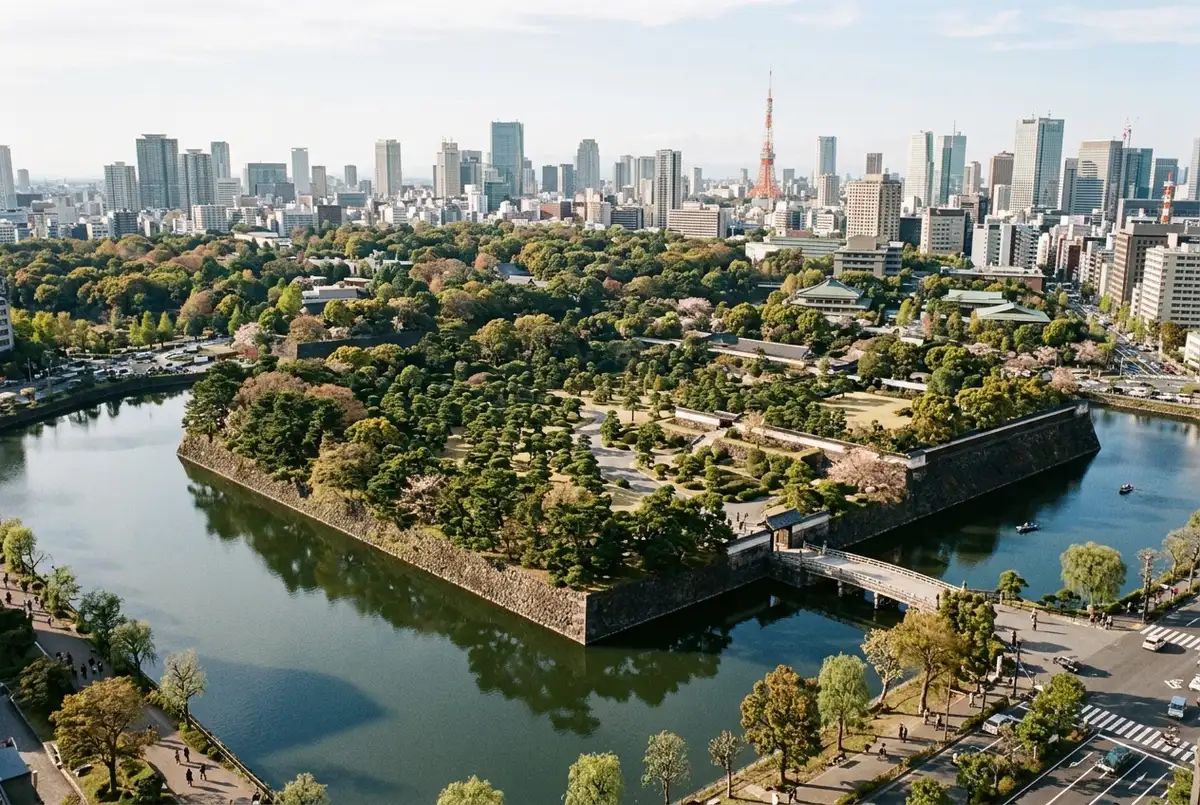
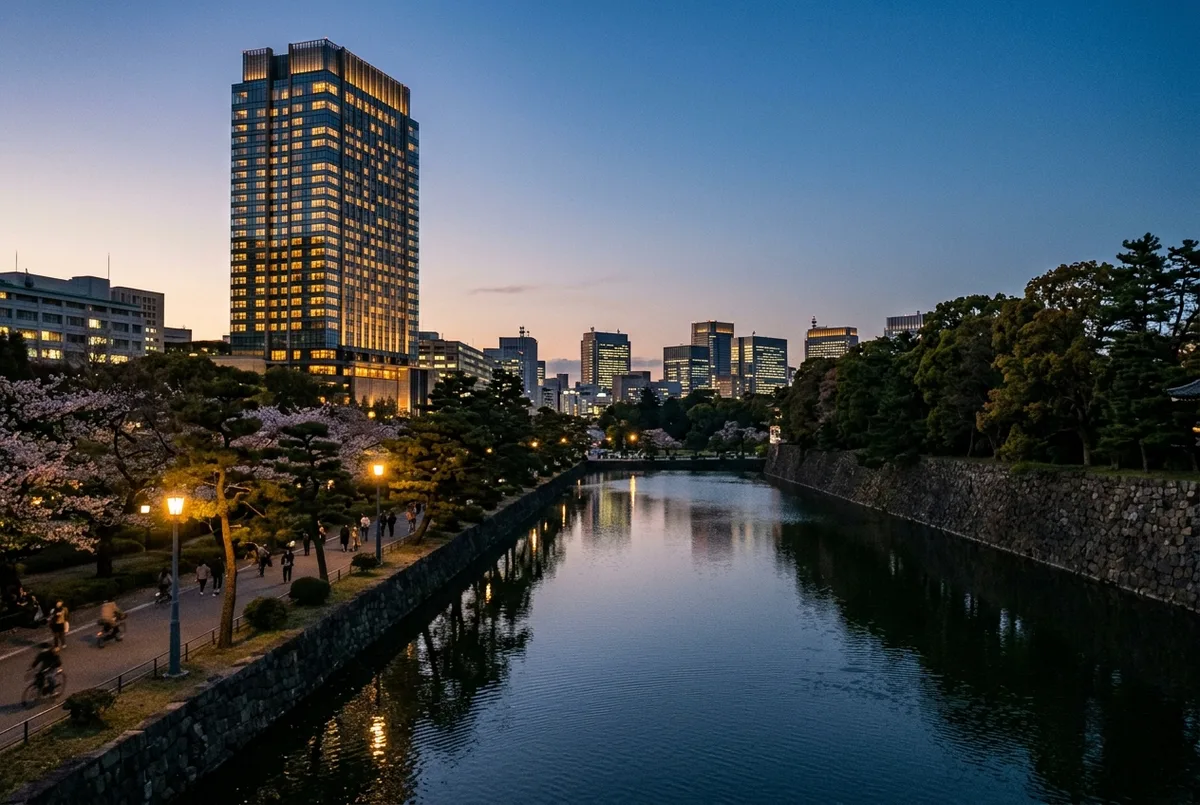
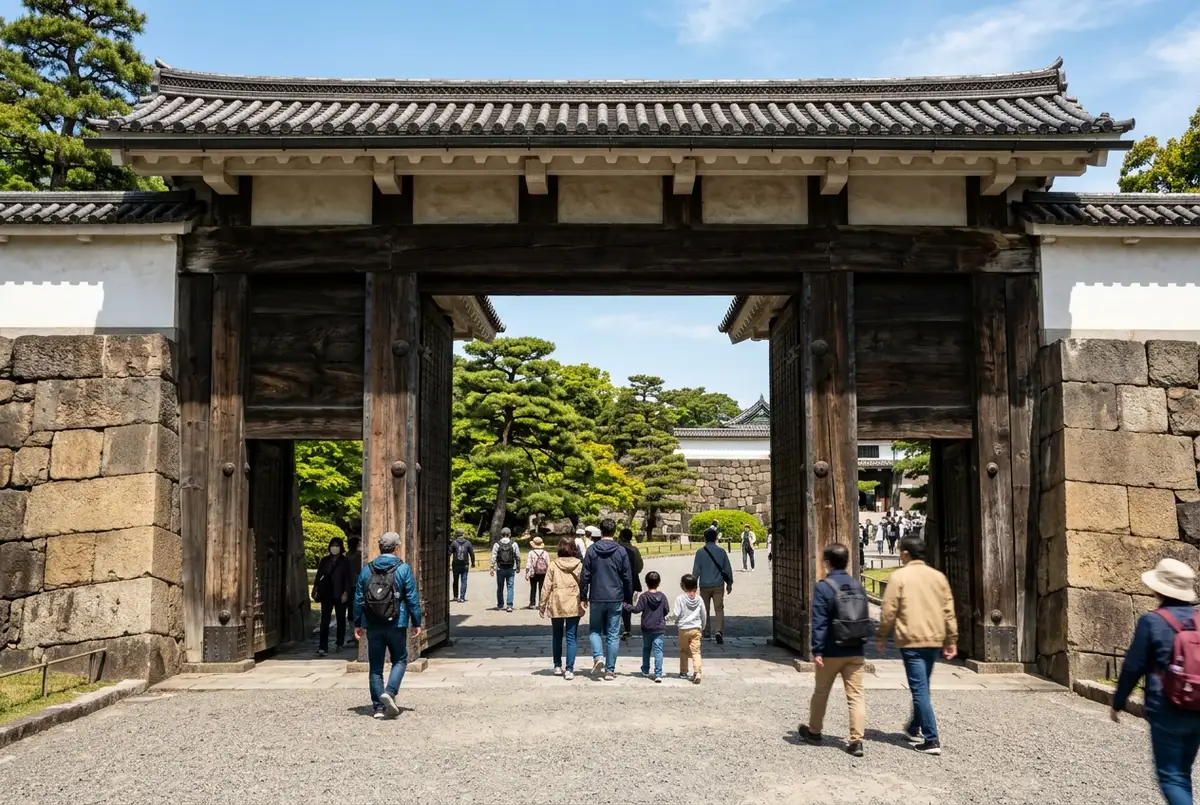
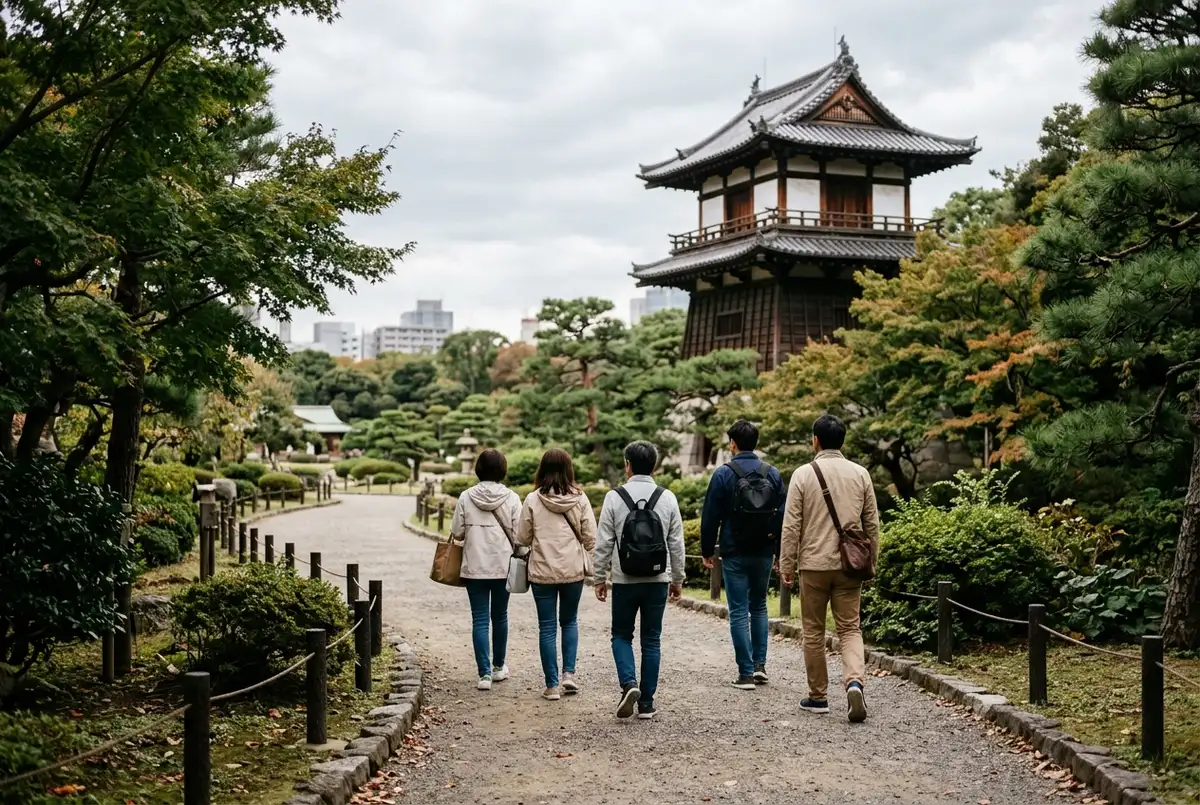
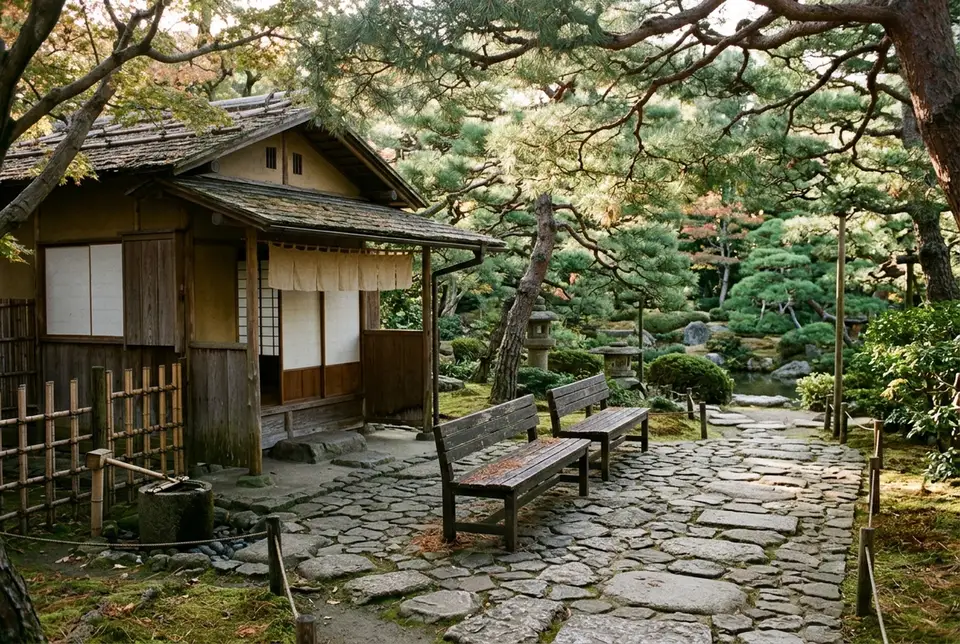
The free Kokyo Higashi Gyoen, or East Gardens, sit on the grounds of Edo Castle’s two innermost walls and cover about 210,000 square meters, open to anyone who walks up without booking ahead. The Emperor’s actual residence and state rooms are a separate, closed-off area you can only enter on a reserved guided tour of the Kyuden Totei Plaza, run Tuesday through Saturday.
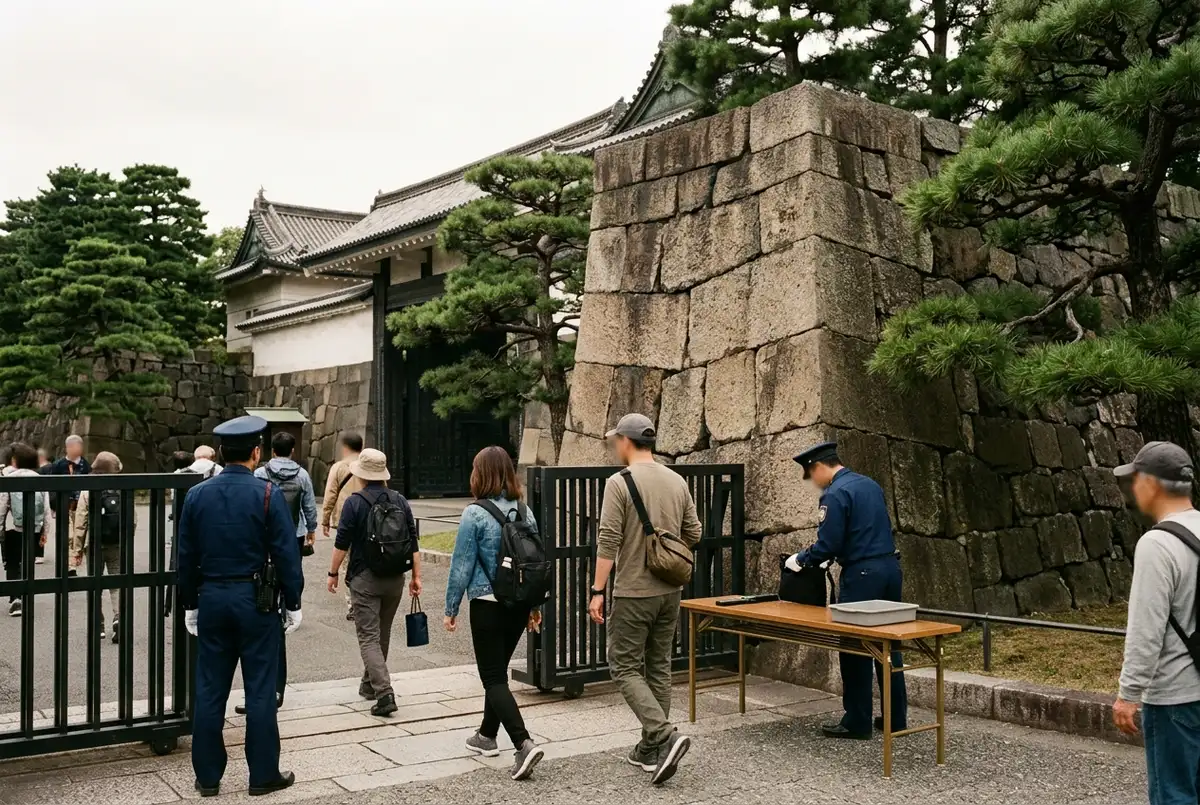
Say you reach the Otemachi subway exit on a Monday afternoon expecting to walk straight in: the gate is shut, because the gardens close every Monday and Friday. The outer Kokyo Gaien plaza and the moat walk stay open on those days, so the trip isn’t wasted, and the full breakdown of what’s open when lives on the guide to visiting the Imperial Palace.
Is Tokyo Imperial Palace free?
Yes, every way to see it costs nothing. The East Gardens need no ticket or reservation, and the inner-grounds guided tour is free too, though you have to book it ahead.
Neither the gardens nor the tour charge admission: the Imperial Household Agency confirms no fee and no advance reservation to enter the East Gardens, and the inner tour runs the same way, free but reserved. That puts the palace in a different category from almost every other paid Tokyo attraction, which is exactly why so many visitors assume there must be a ticket somewhere.
For the exact admission rules, the separate and much narrower tour booking steps, and why the free entry surprises so many first-timers, see the Imperial Palace tickets and admission guide.
How do you get to the Imperial Palace Tokyo?
The East Gardens are a five-minute walk from Otemachi Station, served by five subway lines, or about a fifteen-minute walk from Tokyo Station.
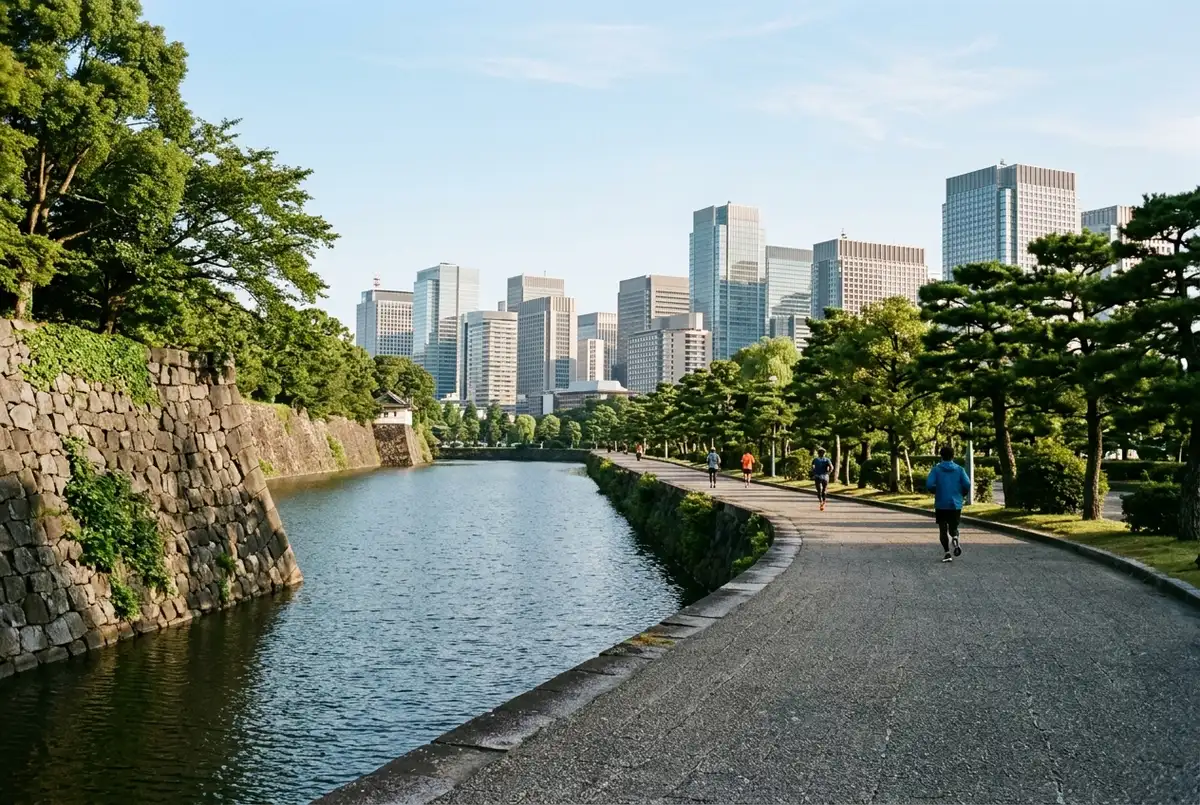
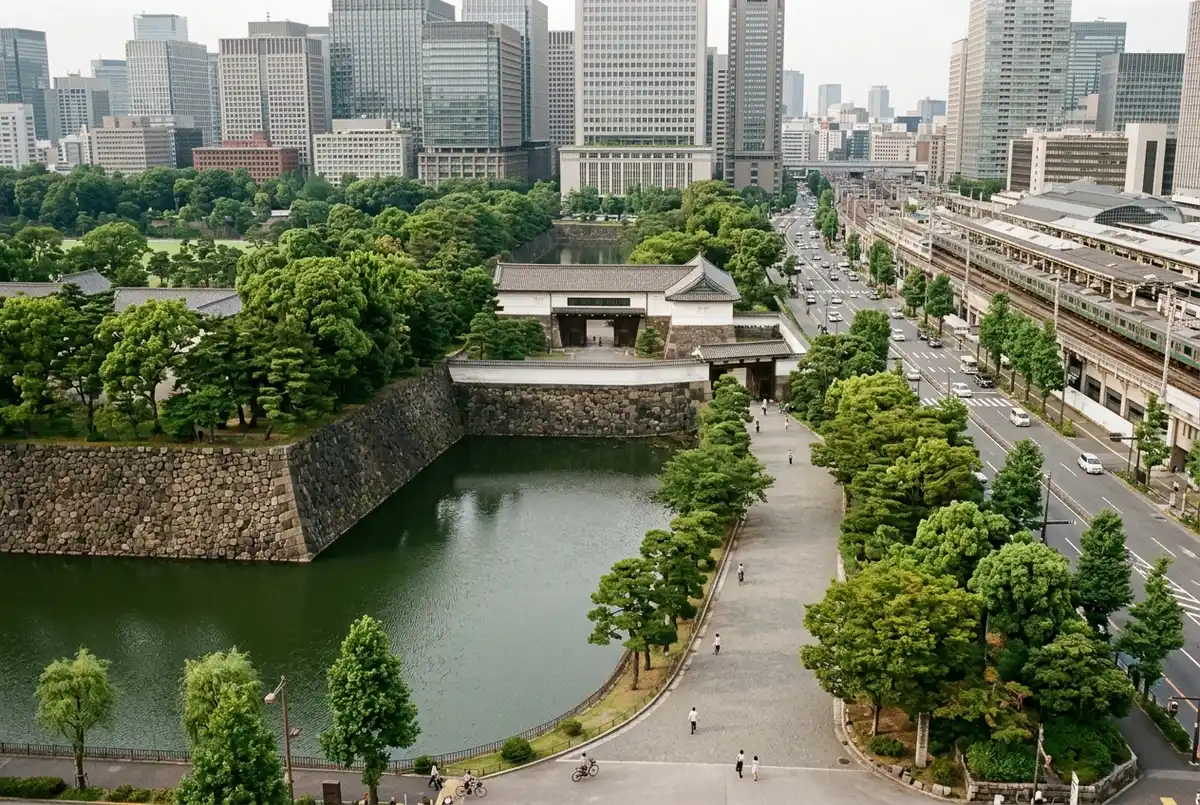
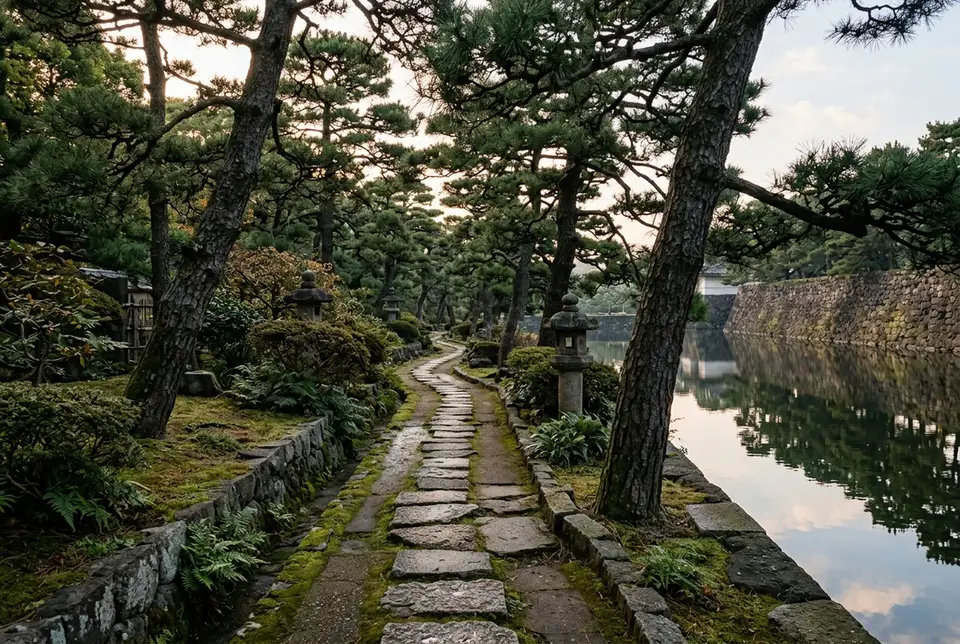
Otemachi sits closest, with the Chiyoda, Tozai, Marunouchi, Hanzomon and Mita lines all surfacing within five minutes of the gate. Walking from Tokyo Station takes about fifteen minutes and gives you a first look at the moat and the Kokyo Gaien plaza along the way.
The map above opens live directions from both stations, and the full how to get to the Imperial Palace guide covers routes from further out, plus what’s worth combining with the trip. Once you’re on the grounds, the Imperial Palace grounds and gardens guide sorts out which of the four public spaces you’re actually standing in.
Is it worth going to the Imperial Palace in Tokyo?
Yes, for the history and the green space alone. The free, 210,000-square-meter East Gardens sit on the old Edo Castle grounds, even though the working palace itself stays out of sight.
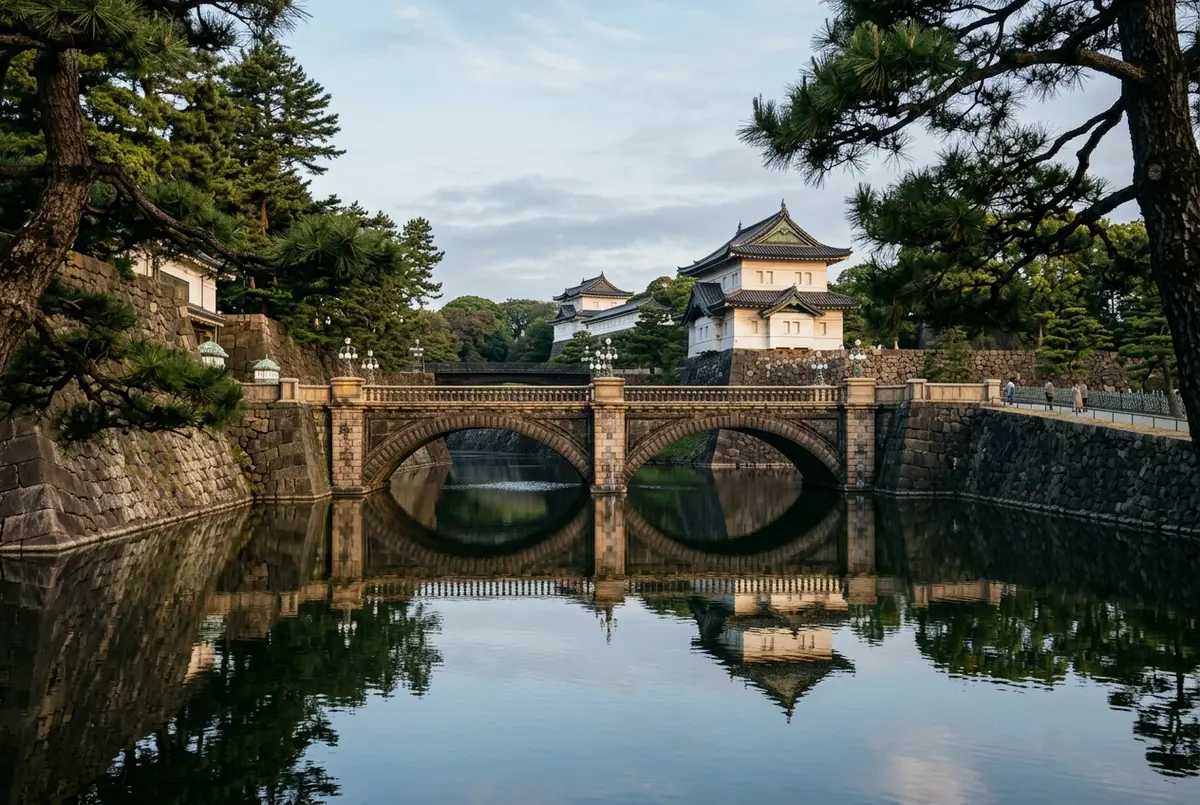
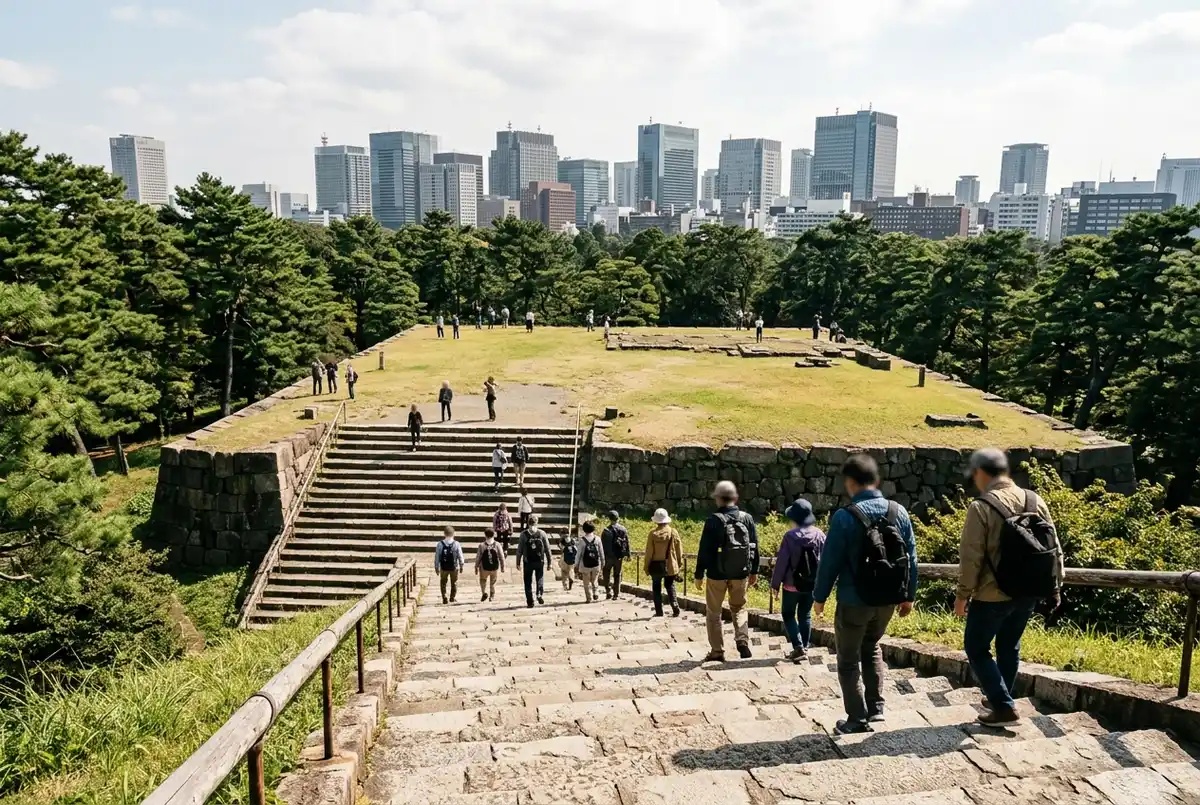
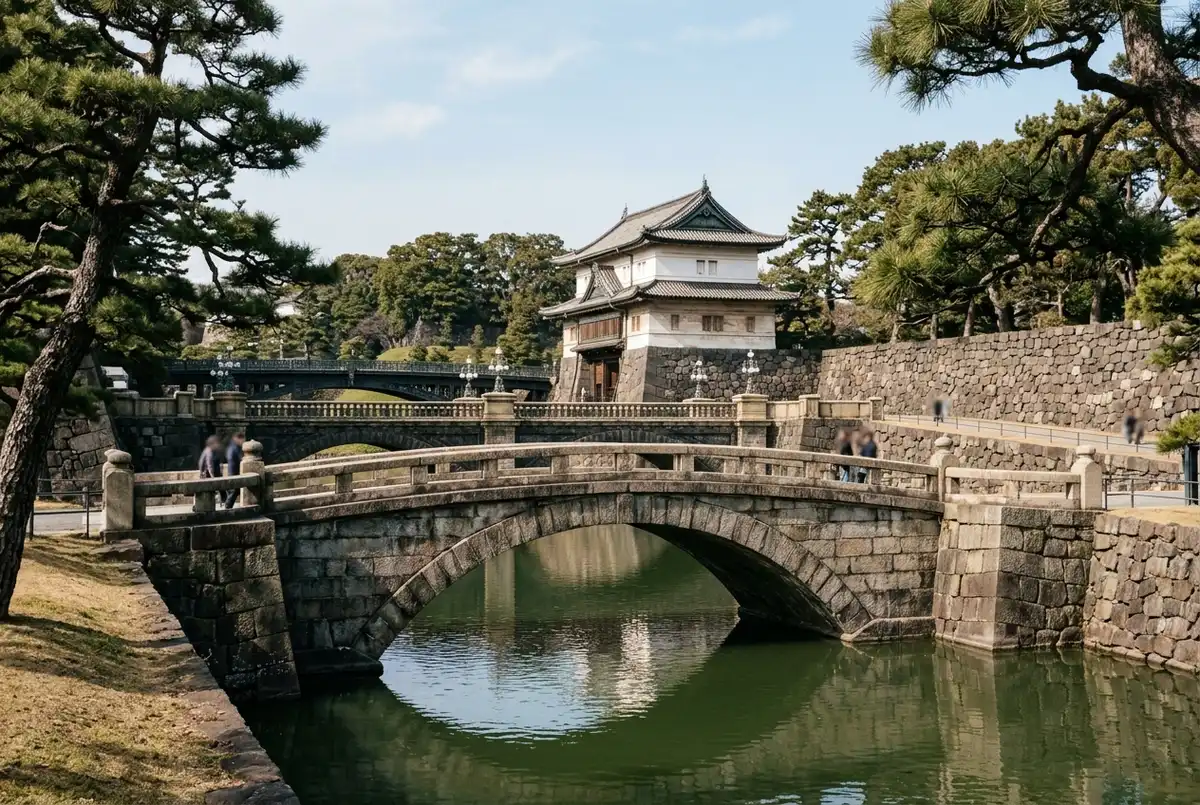
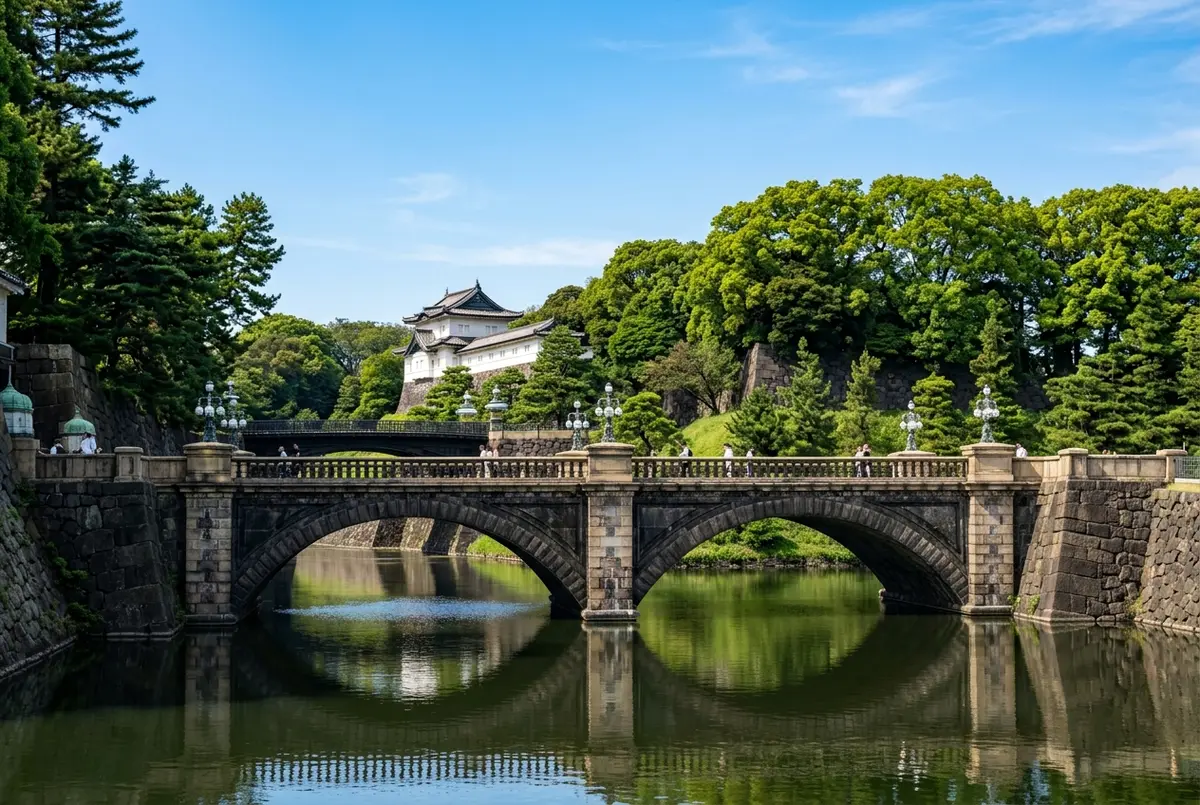
The site’s layers of history do a lot of the work: a castle tower completed in 1638 and lost to fire soon after, then a new main hall built between 1964 and 1968 and in use since 1969, after the earlier buildings burned in the 1945 Tokyo firebombing. For the full history of how Edo Castle became today’s palace, see Edo Castle and the history of the Imperial Palace.
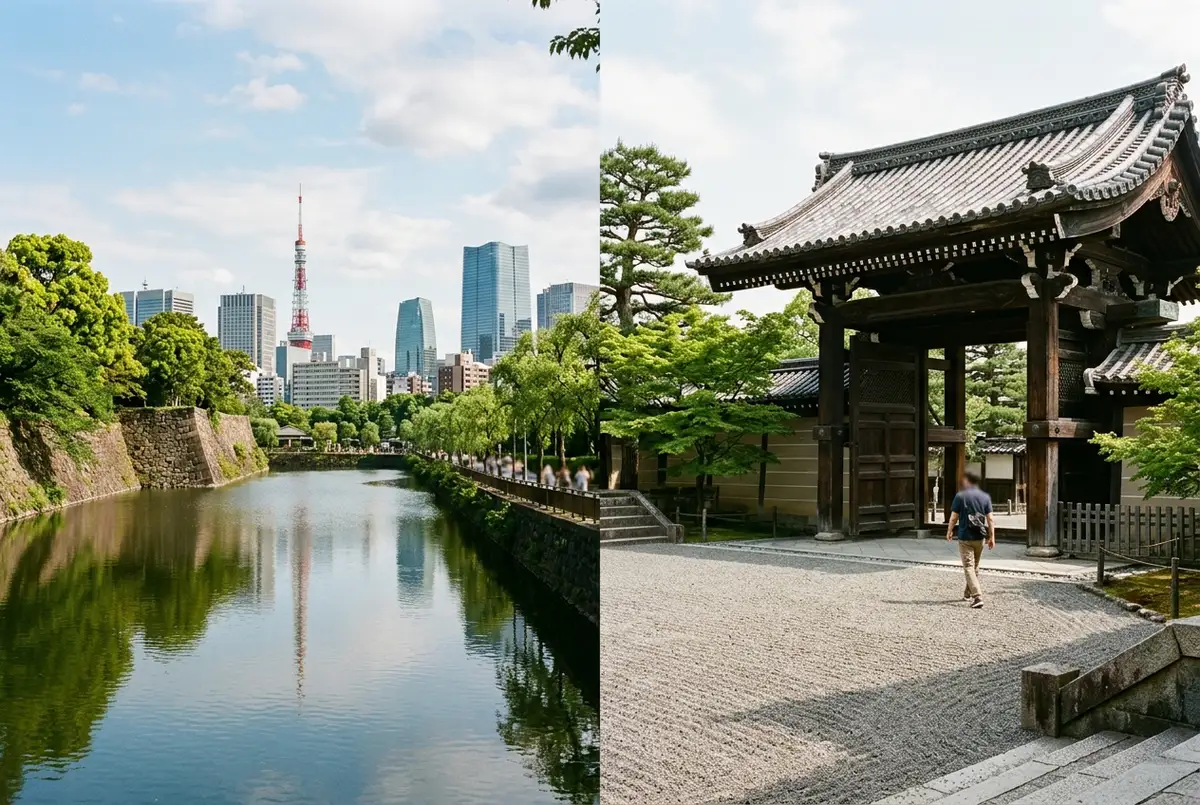
If you’re weighing this against the other Imperial Palace on a Japan itinerary, the gap matters: Kyoto’s former residence is a public-access complex, while Tokyo’s is the Emperor’s active home with far less of the inside on view. I’d spend any single free hour in Chiyoda in the gardens before anywhere else nearby. The Tokyo vs Kyoto Imperial Palace comparison lays out which one earns a spot on your trip.
Visit
Grounds and Gardens
Facts and History
Getting There
Admission and Reservations
Questions
Which Imperial Palace is better, Tokyo or Kyoto?
It depends on what you want to see: Tokyo's is the Emperor's active home, so you mostly view it from outside, while Kyoto's former palace complex opens far more of its own grounds to the public. A reader planning both cities should treat them as different kinds of visits rather than rivals for the same slot.
How much time do you need at Imperial Palace Tokyo?
The free East Gardens alone fill roughly 45 to 60 minutes of walking. Add the outer Kokyo Gaien plaza or the Chidorigafuchi moat and a visit easily stretches to half a day.
Can you just walk around Imperial Palace Tokyo without going inside the gardens?
Yes, the outer Kokyo Gaien plaza and the moat paths around the grounds are always open, with no gate and no closed days. That makes a perimeter walk possible even on the East Gardens' Monday and Friday closures.
Is the Imperial Palace Tokyo open on public holidays?
Usually yes: the East Gardens stay open on national holidays even if they fall on a normal closed day, except the Emperor's Birthday. If a Monday closure lands on a holiday, the gardens close the following Tuesday instead.
Does the Emperor still live in the Imperial Palace Tokyo?
Yes, the Emperor and Empress live and work at the palace that has stood on this site since the current main hall came into use in 1969. That hall replaced the earlier buildings destroyed in the 1945 firebombing of Tokyo.
How old is the Imperial Palace in Tokyo?
The site dates back to Edo Castle, whose tower was completed in 1638 and lost to fire soon after. The grounds became the Emperor's residence in 1869, but the palace hall standing today was only built between 1964 and 1968 and put into use in 1969.